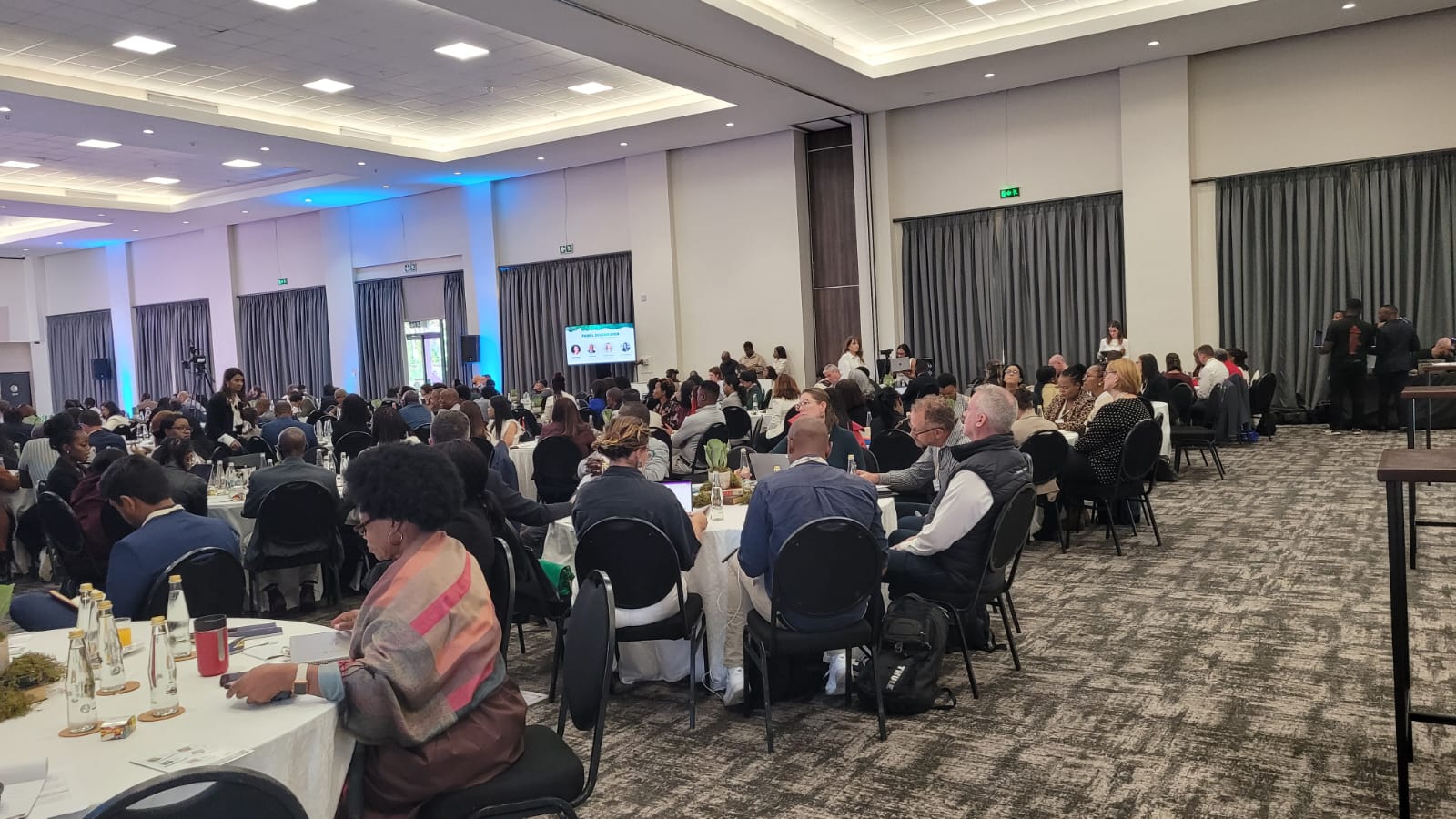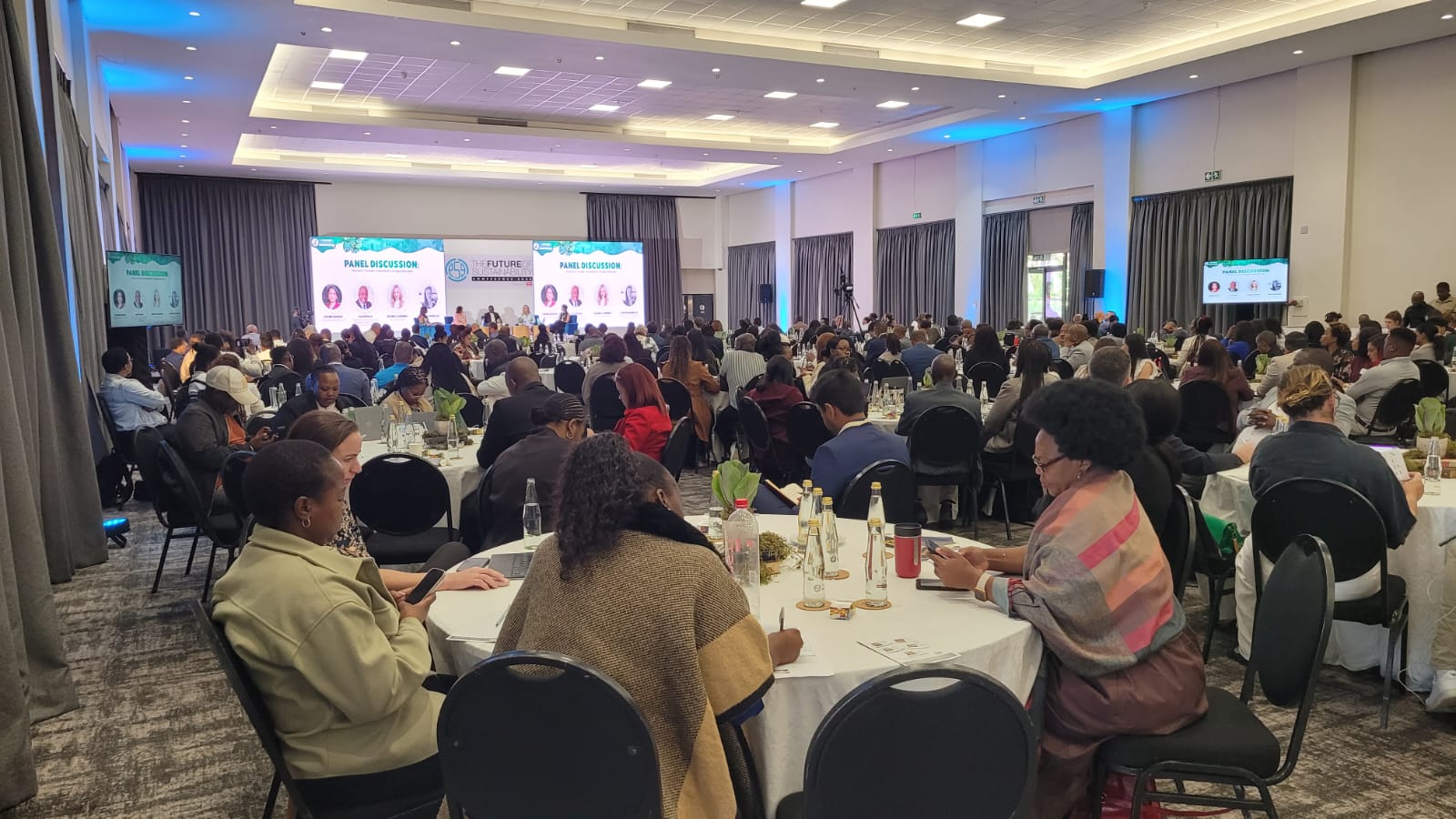

If the UN’s morning address set the moral stage, the FNB panel discussion at The Future of Sustainability Conference is providing the practical scaffolding. The conversation, led by Kival Singh, has centered on a friction point that has long stalled rural progress, the prohibitive cost of green infrastructure.
For farmers in South Africa’s rural heartlands, the Build, Operate,
and Transfer (BOT) model delivered through FNB Energy Solutions (FES) is more than a financial product, it is a mechanism for economic sovereignty.
De-Risking the Rural Farm
The primary barrier for rural agriculturalists is capital. Modernising a farm to be sustainable usually requires an upfront investment that is simply out of reach.
FNB’s approach flips this script through Power Purchase Agreements (PPAs).
* Zero Upfront Capital: Farmers can access renewable energy facilities without a single Rand of initial capital payment. FNB and its technical partners handle the design, procurement, and installation.
* Operational Peace of Mind: Under the Operate phase, the bank remains responsible for maintenance and performance. For a farmer, this eliminates the risk of technical failure in remote areas where specialised technicians are scarce.
* The Revenue Pivot: By stabilising electricity costs at a lower, predictable rate, farmers can redirect overhead savings into expanding crop yields or investing in climate resilient seeds.
The Transfer of Power
The most significant benefit for rural development is the transfer at the end of the term. The BOT model ensures that these energy assets eventually move onto the farmer’s balance sheet for a nominal fee.
This turns a service into long term wealth. A rural farm that owns its own energy production facility is a farm that has permanently lowered its cost of production, making it more competitive in global markets and more resilient to national grid instability.
Partnership as a Catalyst
As emphasised by the panel, sustainability is a partnership game. By bringing together FNB, WesBank, and RMB, the FirstRand Group is creating a circular ecosystem of support.
> “It’s about how we partner together with our clients… reaching out for help but starting somewhere.” — Kyle Durham
For the rural farmer, this means the bank is no longer just a lender, but a co-investor in their decarbonisation journey. By managing the solution from construction to transfer, FNB is allowing rural entrepreneurs to focus on their core business: feeding the nation while protecting the land.
Today’s discussion proves that in 2026, the most effective way to finance growth is to remove the price tag from the transition.