

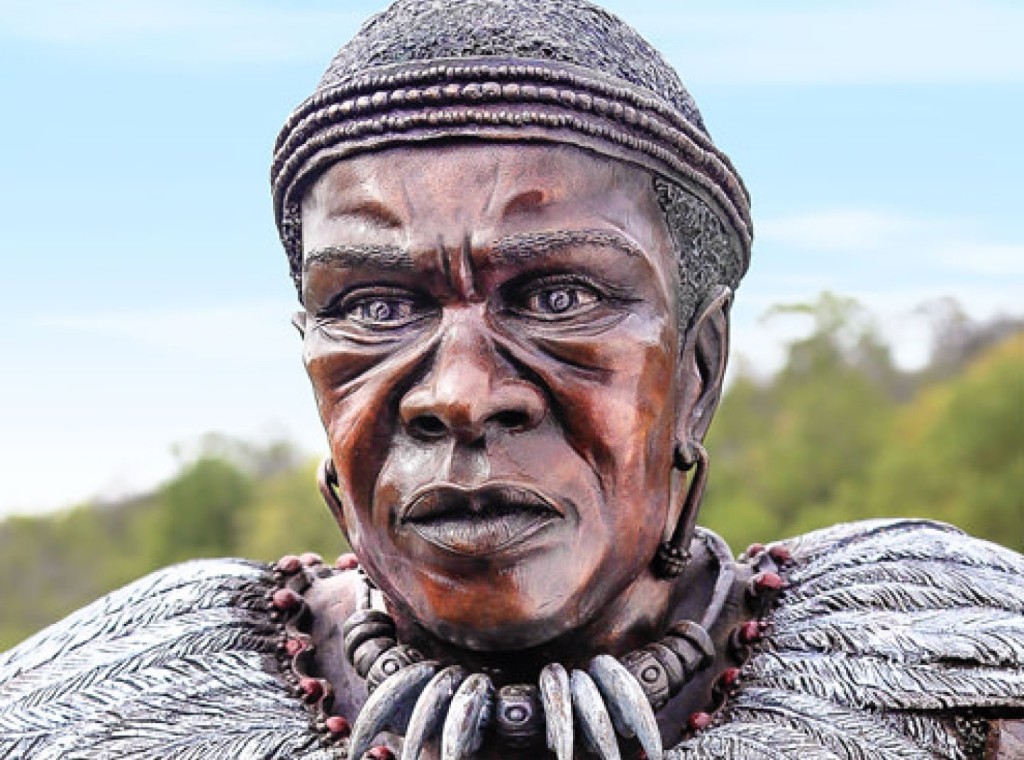
King Mzilikazi, the founder of the Ndebele kingdom, remains a pivotal figure in Southern African history, with ongoing efforts to preserve and celebrate his legacy. Despite passing away in 1868, his influence is still felt strongly, particularly in Zimbabwe’s Matabeleland region.
Commemorations of King Mzilikazi’s life and reign have gained momentum in recent years. Events held in Bulawayo and by the Ndebele diaspora in the United Kingdom are testament to the enduring respect for the king. These gatherings, marked by vibrant displays of Ndebele culture, including song and dance, aim to honour his contributions and reinforce a sense of national identity. Peter Zwide Khumalo, a direct descendant of Mzilikazi, has been a key figure in initiating these celebrations, emphasizing the importance of cultural preservation.
Beyond the cultural celebrations, there is a push for greater recognition of King Mzilikazi’s historical significance. Bulawayo mayor, David Coltart, has called for King Mzilikazi Day to be the most important date on the city’s calendar, highlighting that Bulawayo’s very existence is a result of the kingdom Mzilikazi founded. There are also efforts to improve the historical sites associated with the king, such as his grave at Entumbane, with the aim of boosting cultural tourism and educating future generations.
Mzilikazi’s story is one of a formidable leader and strategist. Originally a lieutenant of the Zulu king Shaka, he broke away in 1822 and led his people on a long migration northwards to escape conflict. Through a series of battles and strategic alliances, he established a powerful, centralized kingdom in what is now Zimbabwe. He was known for his ability to integrate conquered tribes into his nation, creating a diverse and strong state. The legacy of King Mzilikazi is not just in the kingdom he built, but also in the enduring cultural identity and pride of the Ndebele people.